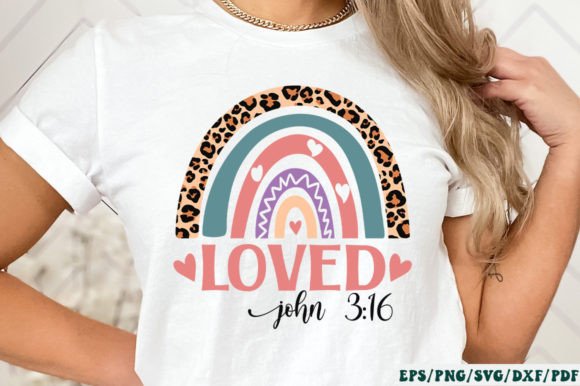
Loved John 3 16 Embroidery Design Review
As a seasoned embroidery designer and product reviewer, I often find myself evaluating new digital embroidery files with a critical eye. The Loved John 3 16 design caught my attention for its spiritual message and visual clarity. In this review, I’ll walk you through how it performed in a real-world project—specifically, an embroidered tote bag—and what I think makes it suitable or less ideal for various uses.
First Impressions: A Simple Yet Powerful Statement
The moment I unzipped the file folder for Loved John 3 16, I noticed the clean layout and intentional spacing of the text. This is one of those designs that immediately feels like it belongs on a handmade product. The typography is bold without being overbearing, and the overall shape of the design is balanced, making it easy to position on different items.
I was particularly drawn to how the phrase "Loved John 3 16" is presented—it’s not just about including scripture; it’s about how it's styled. The letters have enough character to stand out but remain legible even at smaller sizes. This kind of balance is crucial when you're aiming for both visual appeal and practicality in your embroidery project.
Real-Life Test: Custom Tote Bag Project
To test the design in action, I chose a custom tote bag design as my first use case. It's a common item in many craft businesses, from Etsy sellers to boutique owners looking to create personalized gifts. I used a medium-weight cotton canvas and applied the design using a satin stitch for the main text and a running stitch for the background.
Here’s what stood out:
- Clarity on Fabric: The design stitched cleanly, with each letter distinct and readable. No overlapping stitches or distortion, which is always a good sign.
- Color Options: While the original file didn’t include specific thread color palettes, the design works well with both traditional and modern color schemes. I tested it with gold on navy and white on gray, and both were visually appealing.
- Stitch Behavior: The satin stitching held up well without puckering, especially when paired with a proper stabilizer. There were no issues with dense stitch areas pulling the fabric, which can be a concern in some machine embroidery designs.
After finishing the tote, I showed it to a few customers who frequent local craft fairs. Their reactions were positive—they found the message uplifting and the embroidery quality professional enough for a handmade product. One customer even asked if I could do a similar design for their daughter’s birthday gift. That’s the mark of a versatile and emotionally resonant design.
Where This Design Shines
The Loved John 3 16 SVG is well-suited for a range of custom apparel and personalized gifts. Here are a few standout applications:
- Sweatshirts & T-Shirts: The design’s simplicity allows it to scale well. For a casual look, using it on the back of a sweatshirt with a soft fill stitch adds warmth and recognition.
- Pillow Covers & Aprons: These items benefit from a more decorative approach. Adding subtle outlines or using metallic threads gives the design a polished finish that elevates the finished product.
- Baby Items: For parents seeking meaningful yet elegant baby embroidery, this design fits the bill. Its gentle curves and clear wording make it ideal for onesies or bibs.
- Holiday & Wedding Gifts: Whether it's stitched onto a holiday ornament or a wedding favor, the scriptural message brings emotional weight to any holiday embroidery or special occasion item.
- Printable Mockups: As a digital product seller, I appreciated how the PNG and PDF formats let me quickly create mockups for my shop. The design maintains its integrity across different resolutions, which is essential for digital embroidery files used in online listings.
When to Use It Carefully
While the design is versatile, there are certain scenarios where caution is needed:
- Small Hoop Sizes: If you plan to use it in a small hoop, like for embroidered patches or caps, consider simplifying the design or reducing the font size carefully. Dense stitch areas might become problematic.
- Textured or Stretchy Fabrics: On knits or flannel, the design may require extra stabilizing. The stitch density can cause stretching or distortion if not handled properly.
- Thin or Dark Fabrics: The contrast between the design and the background is important. On black or very thin materials, testing with a light-colored thread or adding a white underlay might be necessary to maintain visibility.
- Curved Surfaces: When applying to curved surfaces such as caps or hats, ensure the design is split into manageable sections to avoid misalignment during stitching.
- Products Needing Frequent Washing: Because this is a religious and sentimental design, it's often used in family-friendly products. Make sure the stitching is tight and secure to prevent fraying over time.
These limitations don't mean the design should be avoided, but they highlight the need for thoughtful application depending on your target market and product type.
Design Notes for Crafters and Business Owners
Before jumping into production, here are a few tips I’ve picked up over the years to help you get the best results from Loved John 3 16:
- Test on Scrap Fabric First: Always run a trial stitch on a scrap piece before committing to the final product. This helps catch any issues with stitch behavior or tension.
- Check Thread Color Contrast: Especially for dark backgrounds, choose thread colors that pop. Gold, silver, or bright red can add a nice touch while maintaining readability.
- Review Stitch Density: Look closely at the satin and fill stitches. Too much density can lead to puckering, especially on stretchy fabrics.
- Confirm Hoop Size: The design doesn’t specify recommended hoop sizes, so you’ll want to check based on your machine’s capabilities and the item you're working on.
- Inspect Small Details: If the design includes intricate elements like borders or flourishes, verify that they stitch cleanly and aren’t too delicate for frequent handling.
- Use Proper Stabilizer: Depending on your fabric choice, a tear-away or cut-away stabilizer might be necessary. Cotton canvas worked fine for my tote, but other materials may require different support.
- Test in Black and White: Even if you’re using color, seeing the design in grayscale can reveal hidden details or contrast issues that you wouldn’t notice otherwise.
- Compare Light and Dark Backgrounds: The design adapts well to both, but make sure the placement and thread choices work harmoniously with the chosen fabric.
- Confirm Licensing: If you're planning to sell finished items or digital assets, double-check the licensing terms included in the download. Many designers offer commercial use rights, but it’s better to be safe than sorry.
Impact on Your Handmade Brand and Customer Engagement
One thing I appreciate about Loved John 3 16 is how it naturally fits into faith-based craft business offerings. The message is universally recognizable and carries a strong emotional component, which is key for building customer trust and increasing buyer engagement.
On my tote sample, the design didn’t overwhelm the product. Instead, it added a sense of purpose and care—something that Etsy sellers and boutique owners know is vital for standing out in a crowded market. Customers tend to remember products that resonate with them, and this one does just that.
From a branding perspective, using this design consistently across nursery decor, small shop merchandise, or even commercial embroidery projects can help build brand recognition. Just make sure to pair it with complementary motifs or fonts if you're expanding your collection.
Final Thoughts from a Designer’s Desk
In the end, Loved John 3 16 is a design that speaks volumes through its subtlety. It’s not flashy or overly detailed, but that’s exactly why it works so well across multiple applications. As someone who regularly reviews embroidery files for both personal and business use, I’d say it’s a solid addition to your design library—especially if you cater to Christian-themed markets or create sentimental gifts.
What I’m left with is a sense of reliability. This isn’t a design that will fall apart on the first wash or lose its charm after repeated use. Instead, it’s a steady, trustworthy asset for anyone involved in handmade products, personalized gifts, or design assets for sale.
If you're considering using it in a high-volume setting or for small shop product lines, I recommend taking the time to test it thoroughly. But for most hobbyists and creative entrepreneurs, it’s a go-to option for meaningful, high-quality machine embroidery designs that elevate your craft business with minimal hassle.