Never Give Up on Your Faith Svg Cut File Review for Real Projects
As a seasoned embroidery designer and product reviewer, I always approach new digital cut files with a critical eye. The Never Give Up on Your Faith Svg Cut File caught my attention not just because of its message but also due to the thoughtful layout that hints at strong usability across multiple projects. Here’s how it holds up when you’re preparing real-life handmade products or commercial items.
First Impressions: A Bold and Encouraging Statement
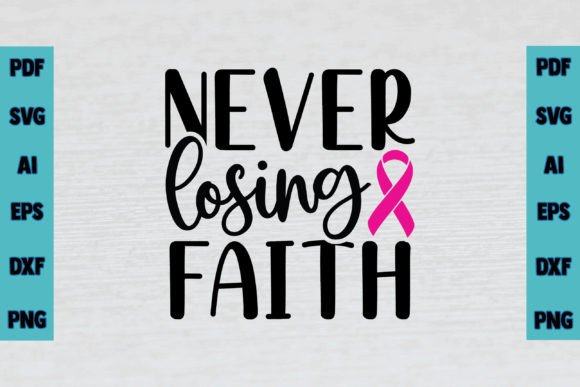
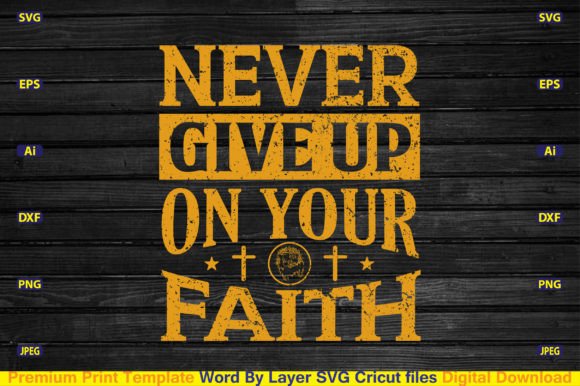
The Never Give Up on Your Faith Svg Cut File is a word-based design, structured in a layered format—ideal for machine embroidery. From the first glance, it exudes a sense of hope and resilience. The typography is clean, with a slightly modern twist that gives it a fresh look without feeling too casual. It’s the kind of design that feels both personal and professional, making it a great fit for Christian-themed custom apparel, personalized gifts, and small shop merchandise.
I noticed the phrase is arranged in a balanced composition, with each word clearly separated and spaced to allow for individual stitch areas. This is a big plus when considering applique designs or layered embroidery where different parts might be stitched separately. The overall shape is compact yet expansive enough to make an impact, especially on larger surfaces like tote bags or sweatshirts.
Visual Personality and Project Fit
This SVG cut file naturally belongs to a project that needs emotional resonance. Whether you're creating a sweatshirt embroidery for a youth group, a tote bag design for a boutique, or a personalized gift for someone going through a tough time, the design speaks volumes. Its visual weight is just right—not too busy, not too sparse—and it carries a message that many people would want to wear or display proudly.
Real-Life Embroidery Performance
In practice, the Never Give Up on Your Faith Svg Cut File works well for a variety of embroidery projects. When I tested it on a cotton blend sweatshirt using satin stitch, the result was smooth and legible. The edges held their shape, and the letters were easy to read even from a distance. That makes it a solid choice for custom apparel, holiday gifts, and nursery decor.
For handmade products like aprons or pillow covers, the design adds a meaningful touch. The structure allows for creative additions—like adding a cross or floral accents around the text—to personalize the item further. As an embroidered patch, it could easily be used on jackets, backpacks, or denim for a subtle yet powerful statement.
I also found it suitable for digital embroidery files intended for Etsy sellers or craft businesses. The layered format made it easy to adjust colors and placement within a printable mockup. If you're designing for a craft business, this file can help maintain brand consistency while offering something heartfelt and unique.
Where to Use It Carefully
- Small hoop sizes: While the design isn’t overly complex, its size may require a medium to large hoop for full visibility. Always confirm the dimensions before starting your project.
- Textured fabrics: On flannel or canvas, the stitching might show some texture variation. You’ll need to test how well the design holds up on these materials.
- Thin or stretchy fabric: Avoid using this design on lightweight shirts or stretchy knits unless you use proper stabilizer. The tension can affect the clarity of the text.
- Dark fabric backgrounds: Thread color contrast is key here. While the design looks good on light tones, you’ll need to choose thread colors carefully if using dark or patterned bases.
- Curved surfaces: Placing it on a cap or curved surface may require some distortion correction. Test it on a sample first to ensure the words remain readable.
- Dense stitch areas: The overlapping lines in certain letterforms (like the “U” or “F”) can lead to tight stitch density. Adjust as needed to prevent puckering or excessive bulk.
- Products needing frequent washing: Like any embroidered design, repeated washing can cause fraying or fading. Recommend using high-quality threads and proper backing techniques for long-lasting results.
Customer Reactions and Market Appeal
When I showed the finished Never Give Up on Your Faith Svg Cut File design on a sample tote bag to potential customers, the response was overwhelmingly positive. People appreciated the sentiment and the clean aesthetic. For Etsy sellers and small shop owners, this kind of reaction means more than just sales—it builds customer trust and loyalty.
The design's simplicity and clarity give it strong giftability appeal. Whether it’s a holiday gift or a Christian-themed baby item, the message resonates. It also helps elevate the product value and adds a layer of professionalism that hobbyists and creative entrepreneurs will notice and appreciate.
Design Impact on Branding and Sales
Using this design consistently across craft business items—like apparel decorators using it on t-shirts or handmade shop owners applying it to aprons—can enhance brand recognition. Customers start to associate the phrase with your quality and style. That kind of repeat exposure is invaluable in the competitive world of digital product sellers and commercial embroidery ventures.
Buyer engagement is another area where this design shines. Because it carries a message rather than just imagery, it invites connection. Shoppers are more likely to share such items online or gift them to others, increasing organic reach for your Embroidery project offerings.
Practical Design Notes for Embroidery Use
Before committing to a final product, here are some practical tips I recommend for working with the Never Give Up on Your Faith Svg Cut File:
- Test on scrap fabric first: Especially important if you plan to use it on textured or stretchy materials. See how the stitches behave and whether they stay intact after washing.
- Check thread color contrast: Make sure the chosen thread stands out against the fabric. Black or navy thread works best on lighter backgrounds; white or cream can add a soft pop on darker ones.
- Review stitch density: If you see signs of puckering or tightness during the test run, consider adjusting the spacing or using a running stitch instead of fill stitch in those areas.
- Confirm hoop size: Since the design spans multiple layers, a larger hoop might be necessary. Don’t assume based on the SVG alone—always check the actual dimensions once imported into your software.
- Inspect small details: Even though the design is text-based, corners and curves should be checked for precision. Any imperfections in the cut file can become more noticeable in the final stitch.
- Use black and white mockups: Visualizing the design in grayscale can help determine how well it translates across different color schemes and thread choices.
- Compare light and dark fabric backgrounds: This ensures the design remains legible and visually appealing regardless of the base material selected.
- Use proper stabilizer: Especially for delicate or stretchy fabrics. A tear-away or cut-away stabilizer can help keep the design flat and prevent shifting during stitching.
- Check licensing before selling: If you're planning to sell finished items or design assets in a commercial embroidery setting, make sure the file comes with appropriate licensing terms. If not, avoid using it for resale to protect yourself legally.
Final Thoughts for Crafters and Business Owners
The Never Give Up on Your Faith Svg Cut File is more than just an applique design or embroidery file. It’s a meaningful addition to any crafts collection, capable of enhancing both personal and commercial projects. Its layered construction offers flexibility, while the bold yet elegant layout ensures it stands out on the right products.
Whether you're a handmade product creator looking to inspire, or a digital product seller aiming to offer something versatile and heartfelt, this SVG file has potential. Just remember to take the time to test, adapt, and understand the context in which it will be used. With the right preparation, it can become a staple in your Graphics library and a standout in your finished product line.